Thursday, 30 August 2018

FLU AND YOU


The flu is a respiratory (i.e., nose, throat, and lung) infection that is caused basically by influenza viruses. Many people use the word "flu" when they actually have a cold. Although the common cold is also caused by viruses, the flu and common cold differ in several ways. Influenza, or flu, is a respiratory illness caused by a virus. Flu is highly contagious and is normally spread by the coughs and sneezes of an infected person.
One can also catch flu by touching an infected person (Shaking hands). Adults are contagious 1-2 days before getting symptoms and up to 7 days after becoming ill. This means that you can spread the influenza virus before you even know you are infected.
One can recover from flu within 1 to 2 weeks, but some people are at risk of developing complications such as pneumonia.


CAUSES

Flu is contagious, which means it can easily spread from person to person. Viruses that cause flu spread from person to person mainly by droplets of respiratory fluids sent through the air when someone infected with the virus coughs or sneezes. Other people inhale the airborne virus and can become infected.
Flu virus can live on some surfaces for about 23-24 hours. This means that, in some cases, the flu can be spread when someone touches a surface (e.g., doorknobs, counter-tops, telephones, keyboards) that has the virus on it and then touches their nose, mouth, or eyes. The flu is most easily spread in crowded places such as schools and offices.
It takes 1 to 4 days to incubate in humans, but infected people can become contagious starting the day before symptoms appear. Adults remain infectious for about 6 days, and children remain infectious for up to 10 days.


SYMPTOMS


 Symptoms of flu include sore throat, fever, headache, muscle aches and soreness, congestion, and cough. Swine flu in particular is also associated with vomiting and diarrhea.
Initial flu symptoms include headaches, chills, and a cough. Symptoms such as fever, loss of appetite, and muscle aches soon follow. Other symptoms such as nausea, vomiting, and diarrhea are rare in adults but more common in children.
Since many people think they have the flu when it's actually a bad cold, here's a quick guide to help you tell the difference:
Symptom
Cold
Flu
Symptom onset
Gradual
abrupt
fever
Uncommon
usually present, high (38°C to 41°C or 102°F to 104°F); lasts 3 to 4 days
headache
Uncommon
very common
aches and pains
Slight
common and often severe
fatigue and weakness
Mild
significant; can last 2 to 3 weeks
extreme exhaustion
Never
very common at the start
stuffy nose
Common
sometimes
sneezing
Common
sometimes
sore throat
Common
sometimes
chest discomfort and cough
mild to moderate, hacking cough
common; often severe with painful cough


PREVENTION

1.    Avoid close contact.
Avoid close contact with people who are sick. When you are sick, keep your distance from others to protect them from getting sick too.
2.    Stay home when sick.
If possible, stay home from work, school, and errands when you are sick. This will help prevent spreading your illness to others.
3.    Cover your mouth and nose.
Cover your mouth and nose with a tissue when coughing or sneezing. It may prevent those around you from getting sick. Flu and other serious respiratory illnesses, like respiratory syncytial virus (RSV), whooping cough, and severe acute respiratory syndrome (SARS), are spread by cough, sneezing, or unclean hands.
4.    Clean your hands.
Washing your hands often will help protect you from germs. If soap and water are not available, use an alcohol-based hand rub.


Tuesday, 21 August 2018

TUBERCULOSIS (TB) AWARENESS


Tuberculosis (TB) is an infectious disease usually caused by the bacterium mycobacterium tuberculosis. It is a serious infectious disease that mainly affects the lungs. This bacteria is spread from one person to another through tiny droplets released into the air via coughs and sneezes.
It used to be rare in developed countries, tuberculosis infections began increasing in 1985, partly because of the emergence of HIV, the virus that causes AIDS. HIV weakens a person's immune system so it can't fight the TB germs.
Many strains of tuberculosis resist the drugs most used to treat the disease. People with active tuberculosis must take several types of medications for many months to eradicate the infection and prevent development of antibiotic resistance.
SYMPTOMS
Although your body may harbor the bacteria that cause tuberculosis, your immune system usually can prevent you from becoming sick. For this reason, doctors make a distinction between:
·         Latent TB. In this condition, one has a TB infection, but the bacteria remain in the body in an inactive state and cause no symptoms. Latent TB, also called inactive TB is not contagious. It can turn into active TB, so treatment is important for the person with latent TB and to help control the spread of TB.
·         Active TB. This is the infectious TB, it shows signs and can spread to others. It can occur in the first few weeks after infection with the TB bacteria, or it might occur years later.

Signs and symptoms of active TB include:
·         Coughing that lasts three or more weeks
·         Coughing up blood
·         Chest pain, or pain with breathing or coughing
·         Unintentional weight loss
·         Fatigue
·         Fever
·         Night sweats
·         Chills
·         Loss of appetite
Tuberculosis can also affect other parts of the body. Tuberculosis can affect the kidney, spine and brain. When TB occurs outside the lungs, signs and symptoms vary according to the organs involved. For example, tuberculosis of the spine may give you back pain, and tuberculosis in your kidneys might cause blood in your urine.

CAUSES

Tuberculosis is caused by bacteria that spread from person to person through microscopic droplets released into the air. This can happen when someone with the untreated, active form of tuberculosis coughs, speaks, sneezes, spits, laughs or sings.
Although tuberculosis is contagious, it is not easy to catch. You are much more likely to get tuberculosis from someone you live with or work with than from a stranger. Most people with active TB who have had appropriate drug treatment for at least two weeks are no longer contagious
HIV AND TB
Due to the emergence of HIV, cases of tuberculosis increased dramatically. Infection with HIV suppresses the immune system, making it difficult for the body to fight TB bacteria. As a result, people living with HIV are many times more likely to get TB and to progress from latent to active disease.

RISK FACTORS

Anyone can get tuberculosis, but certain factors can increase your risk of the disease. These factors include:

Weakened immune system

A healthy immune system often successfully fights TB bacteria, but a weak immune system won’t be able to fight germs and bacteria. A number of diseases and medications can weaken your immune system, including:
·         HIV/AIDS
·         Diabetes
·         Severe kidney disease
·         Certain cancers
·         Cancer treatment, such as chemotherapy
·         Drugs to prevent rejection of transplanted organs
·         Some drugs used to treat rheumatoid arthritis, Crohn's disease and psoriasis
·         Malnutrition

PREVENTION

If you test positive for latent TB infection, your doctor may advise you to take medications to reduce your risk of developing active tuberculosis. The only type of tuberculosis that is contagious is the active variety, when it affects the lungs. So if you can prevent your latent tuberculosis from becoming active, you won't transmit tuberculosis to anyone else.

Vaccinations

In countries where tuberculosis is more common, infants often are vaccinated with bacillus Calmette-Guerin (BCG) vaccine because it can prevent severe tuberculosis in children.


Thursday, 19 July 2018

WHAT YOU NEED TO KNOW ABOUT TONSILLITIS?


Tonsillitis is the inflammation of the tonsils. Tonsils are two oval-shaped pads of tissue at the back of the throat. Tonsils act as filters, trapping germs that could otherwise enter your airways and cause infection. They also produce antibodies to fight infection. But sometimes the tonsils themselves become infected. Overwhelmed by bacteria or viruses, they swell and become inflamed, a condition known as tonsillitis.
Tonsillitis is common with children. Most cases of tonsillitis are caused by infection with a common virus, but bacterial infections also may cause tonsillitis. The condition can occur occasionally or recur frequently. 

SYMPTOMS

Tonsillitis most commonly affects children between preschool ages and the mid-teenage years. Common signs and symptoms of tonsillitis include:
  • Red, swollen tonsils
  • White or yellow coating or patches on the tonsils
  • Sore throat
  • Difficult or painful swallowing
  • Fever
  • Enlarged, tender glands (lymph nodes) in the neck
  • A scratchy, muffled or throaty voice
  • Bad breath
  • Stomachache, particularly in younger children
  • Stiff neck
  • Headache
In children, symptoms may also include:
  • Nausea
  • Vomiting
  • Abdominal pain

WHY DO TONSILS GET INFECTED?

The tonsils are the immune system's first line of defense against bacteria and viruses that enter your mouth. This function may make the tonsils particularly vulnerable to infection and inflammation. However, the tonsil's immune system function declines after puberty — a factor that may account for the rare cases of tonsillitis in adults.


COMPLICATIONS

Inflammation or swelling of the tonsils from frequent or ongoing (chronic) tonsillitis can cause complications such as:
  • Difficulty breathing
  • Disrupted breathing during sleep
  • Infection that spreads deep into surrounding tissue (tonsillar cellulitis)
  • Infection that results in a collection of pus behind a tonsil (peritonsillar abscess)

TREATMENT

Treatment for tonsillitis will depend in part on the cause. To determine the cause, your doctor may perform a rapid strep test or throat swab culture. Both tests involve gently swabbing the back of the throat close to the tonsils with a cotton swab. A lab test can detect a bacterial infection. A viral infection will not show on the test, but may be assumed if the test for bacteria is negative
If tests reveal bacteria, treatment will consist of antibiotics to cure the infection. Symptoms will likely improve within two or three days after starting the antibiotic. It is important to take all of the medication your doctor prescribes to make sure the bacteria are gone.


PREVENTION

The germs that cause viral and bacterial tonsillitis are contagious. Therefore, the best prevention is to practice good hygiene. Teach your child to:
  • Wash his or her hands thoroughly and frequently, especially after using the toilet and before eating
  • Avoid sharing food, drinking glasses, water bottles or utensils
  • Replace his or her toothbrush after being diagnosed with tonsillitis
To help your child prevent the spread of a bacterial or viral infection to others:
  • Keep your child at home when he or she is ill
  • Ask your doctor when it's all right for your child to return to school
  • Teach your child to cough or sneeze into a tissue or, when necessary, into his or her elbow
  • Teach your child to wash his or her hands after sneezing or coughing


Tuesday, 10 July 2018

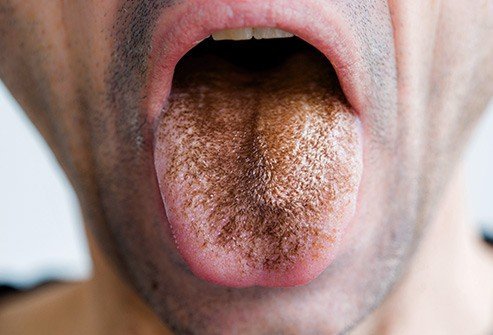
BLACK HAIRY TONGUE


The name black hairy tongue may sound scary, but the condition is harmless. Black hairy tongue is caused by bacteria or fungi in the mouth, which make the tongue, appear black and hairy. It's easily remedied by good oral hygiene.
While it is always alarming to see, a black tongue generally is not a sign of anything serious. You might also notice that your tongue looks slightly hairy. Those are not hairs. These are both signs of a temporary condition that’s sometimes called “black, hairy tongue.”


CAUSES

A black hairy tongue is caused by too much bacteria or yeast growth in the mouth. Your tongue is covered in hundreds of tiny bumps called papillae. Usually, you don’t notice them much. But when dead skin cells start to collect on their tips, they start to look longer and visible.

They are easily stained by bacteria and other substances, these gives your tongue a black, furry appearance.

Experts aren’t sure why the tongue sometimes stops shedding dead skin cells, but it may be related to:
  • Poor oral hygiene. Dead skin cells are more likely to accumulate on the tongue if not regularly brushed.
  • Low saliva production. Saliva helps you swallow dead skin cells. When you don’t produce enough saliva, these dead skin cells can hang around on your tongue.
  • Liquid diet. Eating solid foods helps to scrape dead skin cells off your tongue. If you take more of liquid diet, it may slow removal of dead skin cells.
  • Medication side effects. Some medications causes dry mouth effects as a side effect. This inversely will aid accumulation of dead skins in the mouth/tongue.
Normally, the papillae are pinkish-white. But as they grow, pigments from food, drinks, and possibly the bacteria or yeast themselves get caught in the papillae, dyeing the tongue a color. Most often that color is black, hence the name. But the tongue can also turn brown, yellow, green, or a variety of other colors.


WHY IT TURNS BLACK

Contributing factors include:
  • Antibiotics. Antibiotics kill both good and bad bacteria in your body. This can affect the delicate balance of bacteria in your mouth, allowing certain yeasts and bacteria to thrive.
  • Tobacco. Whether you are smoking or chewing it, tobacco is one of the biggest risk factors for black tongue. Tobacco easily stains the elongated papillae on your tongue.
  • Drinking coffee or tea. Coffee and tea can also easily stain elongated papillae, especially if you drink a lot of either of them.
  • Some mouthwashes. Certain harsh mouthwashes that contain oxidizing agents, such as peroxide, can affect the balance of bacteria in your mouth.
  • Bismuth subsalicylate (Pepto-Bismol). Bismuth subsalicylate is a common ingredient in some over-the-counter gastrointestinal medications. When it reacts with traces of sulfur in your mouth, it can stain your tongue, making it appear black.
  • Low Saliva. Not producing enough saliva increases the chances of dead cell clinging to the papillae
  • Poor Oral Hygiene

SYMPTOMS

Other than the discoloration of the tongue, most people with black hairy tongue don't have any symptoms or feel any discomfort. The exception is when there is too much growth of the yeast Candida albicans, which can cause a burning sensation on the tongue. This burning sensation is called glossopyrosis.

Some people complain of a tickling feeling in the back of the roof of the mouth, a metallic taste in their mouth, or nausea. In more severe cases, the condition may lead to a gagging feeling. Sometimes, food getting caught inside the extra-long papillae can cause bad breath.

TREATMENT

A black tongue usually doesn’t require much treatment. In most cases, regularly brushing your tongue with a toothbrush should help to remove dead skin cells and stains within a few days.

If you suspect that a medication or prescribed liquid diet is causing your black tongue, make an appointment with your doctor. They might be able to adjust your dosage or prescribe an antifungal or antibacterial medication to help manage yeast or bacteria in your mouth.

For stubborn elongated papillae, a doctor can remove them using carbon dioxide laser burning or electrodessication, which simultaneously cuts and seals the papillae.
However, you can usually take care of the condition yourself:
  • Brush your tongue. Brush your tongue twice a day to help manually remove dead skin cells and bacteria.
  • Use a tongue scrapper. Using a tongue scraper every time you brush your teeth will help keep skin cells from accumulating on your papillae.
  • Brush after eating. Brushing your teeth and tongue after every meal will help keep food debris and bacteria from getting trapped in the papillae.
  • Brush after drinking. Brushing after drinking coffee, tea, and alcohol will help prevent staining.
  • Stop using tobacco products. Quitting smoking or chewing tobacco.
  • Floss before bed. Flossing your teeth at least once per day will prevent food debris and plaque from building up in your mouth.
  • Schedule a cleaning. Getting a cleaning at your dentist’s office will help you maintain good oral health.
  • Drink plenty of water. This will help keep your mouth hydrated, which allows you to swallow dead skin cells.
  • Chew gum. Chewing a sugar-free gum, or a gum designed for people with dry mouth, will help you produce more saliva to wash down dead skin cells. As you chew, the gum also helps to dislodge trapped skin cells.
  • Eat a healthy diet. A diet full of fruits, vegetables, lean proteins, and whole grains will help you maintain a healthy balance of bacteria in your mouth.


Saturday, 7 July 2018

FIRST TRIMESTER PREGNANCY EXPECTATIONS


The first trimester begins on the first day of your last period and lasts until the end of week 12. A lot happens during these first three months. The fertilized egg rapidly divides into layers of cells and implants in the wall of your womb where it carries on growing. These layers of cells become an embryo, which is what the baby is called at this stage. During this trimester, your baby grows faster than at any other time. By six weeks, a heartbeat can usually be heard and by the end of week 12, your baby's bones, muscles and all the organs of the body have formed. At this point, your baby looks like a tiny human being and is now called a fetus. He or she will even be practicing swallowing.
The first trimester of pregnancy is marked by an invisible transformation.  Hormones trigger your body to begin nourishing the baby even before tests and a physical exam can confirm the pregnancy.
Knowing what physical and emotional changes to expect during the first trimester can help you face the months ahead with confidence.

THE BODY
The first sign of pregnancy is a missed period. You should expect several other physical changes in the coming weeks, including:
  • Tender, swollen breasts. After conception, hormonal changes might make your breasts sensitive or sore. The discomfort will likely decrease with time as your body adjusts to hormonal changes.
  • Nausea with or without vomiting. Morning sickness, which can strike at any time of the day or night, often begins one month after you become pregnant. This might be due to rising hormone levels. To help relieve nausea, avoid having an empty stomach. Eat slowly and in small amounts every one to two hours. Eat low fatty foods. Avoid foods or smells that make your nausea worse. Drink plenty of fluids. Foods containing ginger might help.
  • Increased urination. You might experience frequent urination than usual. The amount of blood in your body increases during pregnancy, causing your kidneys to process extra fluid that ends up in your bladder.
  • Fatigue. During early pregnancy, levels of the hormone progesterone soar — which can put you to sleep. Rest as much as you can. A healthy diet and exercise might help boost your energy.
  • Food dislike. When you're pregnant, you might become more sensitive to certain odors and your sense of taste might change. Like most other symptoms of pregnancy, food preferences can be chalked up to hormonal changes.
  • Constipation. High levels of the hormone progesterone can slow the movement of food through the digestive system, causing constipation. Iron supplements can add to the problem. To relieve constipation, include plenty of fiber in your diet and drink lots of fluids, especially water and prune or other fruit juices. Regular physical activity also helps


EMOTIONS
Pregnancy might leave you feeling delighted, anxious, exhilarated and exhausted — sometimes all at once. Even if you're thrilled about being pregnant, a new baby adds emotional stress to your life.
It is natural to get worried about your baby's health, adjustment to parenthood and the financial demands of raising a child. One who is working might get worried about balancing the demands of family and career. One might also experience mood swings, tiredness etc. All these are normal. Take care of yourself, look for one who understands you for words of encouragement. If your mood changes become severe or intense, consult your health care provider for support.

PRENATAL CARE
Whether you choose a family doctor, obstetrician, nurse-midwife or other pregnancy specialist, your health care provider will treat, educate and reassure you throughout your pregnancy.
Your first visit will focus on assessing your overall health, identifying any risk factors and determining your baby's gestational age. Your health care provider will ask detailed questions about your health history. Be honest. If you're uncomfortable discussing your health history in front of your partner, schedule a private consultation. Also expect to learn about first trimester screening for chromosomal abnormalities, including prenatal cell-free DNA screening.
After the first visit, you'll probably be asked to schedule checkups every four weeks. During these appointments, discuss any concerns or fears you might have about pregnancy, childbirth or life with a newborn. Remember, no question is silly or unimportant — and the answers can help you take care of yourself and your baby.


Tuesday, 19 June 2018

ARE YOU DEPRESSED?


Depression is a mood disorder characterized by persistently low mood and a feeling of sadness and loss of interest. It is a persistent problem, not a passing one, lasting on average of six to nine months. It affects how you feel, think and behave and can lead to a variety of emotional and physical problems. You may have trouble doing normal day-to-day activities, and sometimes you may feel as if life isn't worth living. It is important to seek the help of a health professional to rule out different causes of depression, ensure an accurate differential diagnosis, and secure safe and effective treatment.

Depression is different from the fluctuations in mood that people experience as a part of normal life. Temporary emotional responses to the challenges of everyday life do not constitute depression.

Likewise, even the feeling of grief resulting from the death of someone close is not itself depression if it does not persist. Depression can, however, be related to bereavement - when depression follows a loss, psychologists call it a "complicated bereavement."


SYMPTOMS

Symptoms of depression can include:

  • Depressed mood
  • Reduced interest or pleasure in activities previously enjoyed, loss of sexual desire
  • Unintentional weight loss (without dieting) or low appetite
  • Insomnia (difficulty sleeping) or hypersomnia (excessive sleeping)
  • Psychomotor agitation, for example, restlessness, pacing up and down
  • Delayed psychomotor skills, for example, slowed movement and speech
  • Fatigue or loss of energy
  • Feelings of worthlessness or guilt
  • Impaired ability to think, concentrate, or make decisions
  • Recurrent thoughts of death or suicide, or attempt at suicide

CAUSES

The causes of depression are not fully understood and may not be down to a single source. Depression is likely to be due to a complex combination of factors that include:

  • Genetics: Depression is more common in people whose blood relatives also have this condition.
  • Biological: People with depression appear to have physical changes in their brains. The significance of these changes is still uncertain, but may eventually help pinpoint causes.
  • Environmental: This could be as a result of not liking ones environment, people around, faces etc.
  • Psychological and social (psychosocial)
  • Hormones: Changes in the body's balance of hormones may be involved in causing or triggering depression. Hormone changes can result with pregnancy and during the weeks or months after delivery (postpartum) and from thyroid problems, menopause or a number of other conditions.
Some people are at higher risk of depression than othersrisk factors include:

  • Life events: These include bereavement, divorce, work issues, relationships with friends and family, financial problems, medical concerns, or acute stress.
  • Personality: Those with less successful coping strategies or previous life trauma are more susceptible.
  • Genetic factors: Having a first-degree relative with depression increases the risk.
  • Childhood trauma.
  • Some prescription drugs.
  • Abuse of recreational drugs: Abuse of alcohol, amphetamines, and other drugs are strongly linked to depression.
  • A past head injury.
  • Having had one episode of major depression: This increases the risk of a subsequent one.
  • Chronic pain syndromes: These and other chronic conditions, such as diabetes, HIV/AIDS, chronic obstructive pulmonary disease, and cardiovascular disease make depression more likely.

TREATMENT

Depression is a treatable mental illness. There are three components to the management of depression:

  • Support: Ranging from discussing practical solutions and contributing stresses, to educating family members.
  • Psychotherapy: Psychotherapy is the use of psychological methods, particularly when based on regular personal interaction, to help a person change behavior and overcome problems in desired ways.
  • Drug treatment: Antidepressants are drugs used for the treatment of major depressive disorder and other conditions, including dysthymia, anxiety disorders, obsessive–compulsive disorder, eating disorders

PREVENTION

There's no sure way to prevent depression. However, these strategies may help.

  • Take steps to control stress, to increase your resilience and boost your self-esteem.
  • Reach out to family and friends, especially in times of crisis, to help you weather rough spells.
  • Get treatment at the earliest sign of a problem to help prevent depression from worsening.
  • Consider getting long-term maintenance treatment to help prevent a relapse of symptoms.

(For counseling, email: richmondmez@gmail.com)

Tuesday, 5 June 2018

YOUR HEALTH AND CAFFEINE


Caffeine is a natural stimulant most commonly found in tea, coffee and cacao plants.
It works by stimulating the brain and central nervous system, helping you to stay alert and preventing the onset of tiredness
Once consumed, caffeine is quickly absorbed from the gut into the bloodstream.
From there, it travels to the liver and is broken down into compounds that can affect the function of various organs.
That being said, caffeine's main effect is on the brain.
It functions by blocking the effects of adenosine, which is a neurotransmitter that relaxes the brain and makes you feel tired.
Normally, adenosine levels build up over the day, making you increasingly more tired and causing you to want to go to sleep.
Caffeine helps you stay awake by connecting to adenosine receptors in the brain without activating them. This blocks the effects of adenosine, leading to reduced tiredness.

Many of us rely on a morning cup of coffee or a jolt of caffeine in the afternoon to help us get through the day. Knowing the symptoms of caffeine and its long-term effects on your body may make you think twice about having it always.

ALERTNESS:  The stimulating effects of caffeine cause immediate alertness. It can also temporarily relieve drowsiness and fatigue.

RAPID HEARTBEAT: Caffeine can cause a rapid heartbeat. This may be a concern if you have a preexisting heart issue. You may notice arrhythmias (irregular heartbeat) whenever you take it.

MUSCLE ACHES: Muscle ache could be a sign of caffeine withdrawal.

FERTILITY ISSUES: Some women who consume too much caffeine might experience difficulties getting pregnant. If you are trying to get pregnant, it’s best not to consume more than 300mg per day.

PREGNANCY ISSUES: Overconsumption of caffeine during pregnancy may cause miscarriage and developmental issues in newborns. It’s recommended that women who are pregnant consume not more than 200mg of caffeine per day.

JITTERS: If you are not used to caffeine, it can give you jitters. If you have an anxiety disorder or sleep disorder, caffeine may make it worse.

HIGH URINATION: Caffeine causes increased urination. Long-term use of caffeine may increase bladder instability and worsen the risk for those already experiencing bladder problems.

CAFFEINE IN BONES: Caffeine prevents calcium absorption in the bones, thereby increasing your risk of osteoporosis. As one gets older, your bones may break more easily.

NAUSEA AND VOMITTING: Nausea and vomiting are symptoms of having too much caffeine.

CONFUSION: Too much caffeine can over stimulate the brain, leading to confusion.

HEADACHES: Headache can occur from either too much caffeine or as a symptom of caffeine withdrawal. In small amounts, it can relieve symptoms of a hangover.

Caffeine provides no nutritional value on its own. It’s tasteless, so you won’t necessarily know if it’s in your food either. Even some medications may contain caffeine without your knowledge.
This ingredient almost always causes some symptoms. At a minimum, you may feel more energetic, but over time, too much caffeine may cause withdrawal symptoms. As you consume the same amount of caffeine on a daily basis, your body develops a tolerance to it. Other factors like your age, body mass and overall health can determine your tolerance to caffeine, too.
An overdose of caffeine can result in death due to convulsions. Overdosing happens by consuming large amounts of caffeine, most often in energy drinks or diet pills. Up to 400 milligrams of caffeine is considered to be safe. This equals about 4 cups of coffee, although the amount of caffeine in beverages varies widely.